Fitness for Service (FFS) is a structured engineering analysis used to determine whether damaged or aging equipment can continue to operate safely and effectively. It prevents unnecessary repairs or replacements and helps plant operators make cost-effective, safety-focused decisions.
SA-FFS follows the API RP 579-1/ASME FFS-1 standard, a globally recognized guideline that defines flaw acceptance limits and outlines levels of assessment (Levels 1, 2, and 3) based on complexity, data needs, and accuracy.
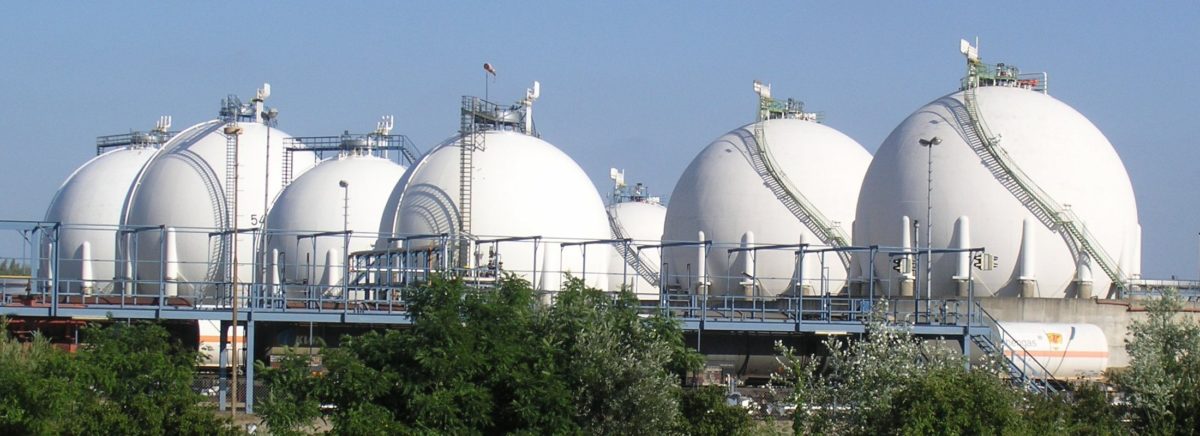
SA-FFS performs FFS assessments on pressure vessels, slug catchers, storage tanks, pipelines, piping systems, and high-temperature equipment, across multiple industries including oil & gas and chemicals.
Damage types include:
General and local metal loss
Pitting corrosion
Blisters and lamination
Cracks and weld misalignment
Creep damage
Fire damage
Dents and shell distortions
Data gathering on the asset and damage
Inspection planning (intrusive or non-intrusive)
Execution and reporting of inspection
FFS calculations (corrosion rate, remaining life, repair recommendations)
Final evaluation for safe operation or required actions
The FFS assessments are conducted by a multidisciplinary team of specialists with over 15–20 years of experience, including API-certified integrity engineers, corrosion experts, mechanical engineers, and designers.
Accurate residual life estimation
Support for run-repair-replace decisions
Safe life extension beyond design limits
Ability to downgrade equipment ratings
Reduced downtime and inspection frequency
Required data includes construction codes, design and operating pressures/temperatures, material specifications, corrosion details, wall thicknesses, damage size/location, weld spacing, and inspection history.