PEC allows for the assessment of the condition of insulated pressure vessels without the need to remove insulation materials. This non-destructive testing method ensures that the insulation remains undisturbed while providing accurate data about the underlying metal.
The electromagnetic principles used in PEC enable it to penetrate various types of insulation materials, including those that are rough, wet, or heterogeneous. This capability is particularly beneficial for insulated pressure vessels, which often have complex insulation systems designed for thermal efficiency.
PEC can effectively identify corrosion, pitting, and other structural anomalies in pressure vessels that may be hidden beneath insulation. Early detection of these issues is critical for maintenance and preventing failures due to pressure vessel degradation.
Given its excellent repeatability, PEC is well-suited for establishing baseline conditions of insulated pressure vessels and conducting regular monitoring. This ongoing assessment helps track changes over time, ensuring that any deterioration is caught before it leads to significant safety issues or costly repairs.
PEC technology can provide quick results compared to traditional methods that require time-consuming inspections and often involve insulation removal. This speed is especially advantageous for industries that require continuous operation and cannot afford lengthy downtimes.
Using PEC for inspections of insulated pressure vessels enhances safety by minimizing the risk associated with traditional inspection methods that may involve invasive techniques or temperature exposure. It allows for evaluations to be conducted with reduced disturbance to the operating environment.
In summary, PEC technology serves as an effective and efficient tool for assessing insulated pressure vessels. Its non-invasive nature, combined with the ability to penetrate various insulation types and detect structural issues, makes it invaluable in maintaining the safety and integrity of these crucial industrial components. By implementing PEC inspections, organizations can ensure regulatory compliance, optimize maintenance schedules, and extend the lifespan of their insulated pressure vessels.
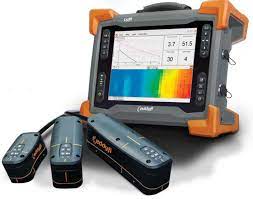

Pulsed Eddy Current Testing (PECT) is indeed an advanced non-destructive testing (NDT) technique with several advantages, particularly for assessing corrosion and degradation in metallic structures. Here are some key points about PECT and its applications:
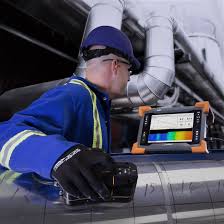

This report summarizes the findings from the average wall thickness screening of insulated pressure vessels and the detection of general corrosion using PEC (Pipe and Equipment Condition) technology. This methodology involves mapping the vessels according to a predetermined grid pattern to ensure comprehensive coverage and accurate assessment of wall integrity.
Grid Mapping:
Average Wall Thickness Screening:
Detection of General Corrosion:
Wall Thickness Measurements:
Corrosion Detection:
Visual and Data Mapping:
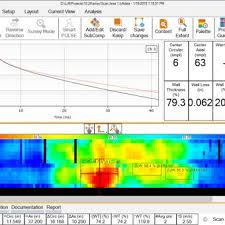
The implementation of PEC technology for average wall thickness screening and corrosion detection proves to be an essential practice for maintaining the integrity of insulated pressure vessels. Systematic grid mapping not only optimizes inspection processes but also enhances safety and operational reliability by allowing for targeted maintenance actions based on precise data. Future inspections should continue to incorporate these methodologies to ensure ongoing compliance and safety standards.
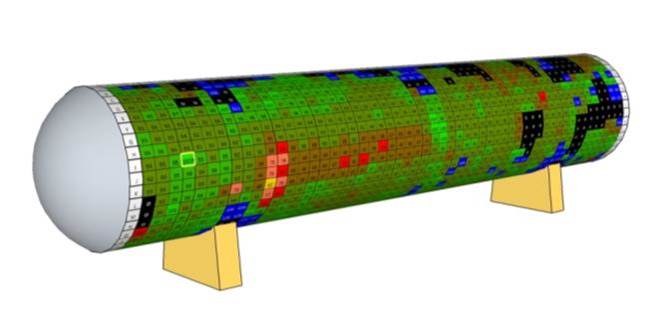
PEC (Pipe and Equipment Condition) technology offers several advantages for inspecting and assessing the health of various industrial assets, particularly ferrous pipes and vessels. Here are some key benefits:
PEC is a non-invasive method that allows for the evaluation of materials without damaging or disturbing insulation and coatings. This feature eliminates the need for costly repairs or replacements of insulation materials.
PEC can effectively assess the condition of ferrous pipes and vessels even when covered with thermal insulation, regardless of its condition (e.g., wet, rough, irregular). This versatility makes it suitable for a wide range of operational environments.
PEC provides highly accurate and reliable measurements of wall thickness and integrity. By using advanced electromagnetic techniques, it can detect minor changes in material conditions, such as corrosion or pitting, that may not be visible through other inspection methods.
The technology facilitates faster inspections compared to traditional methods that often require more extensive preparations and potential shutdowns. This efficiency minimizes downtime and allows for quicker assessments.
PEC offers consistent and repeatable results, which are essential for baseline assessments and ongoing monitoring. This allows for effective trend analysis over time, aiding in proactive maintenance decisions.
By conducting inspections without physical disruptions, PEC minimizes risks associated with entering confined spaces or working around hazardous materials. It enhances workplace safety for maintenance and inspection personnel.
PEC is ideal for establishing baseline measurements for equipment condition, providing a reference point for future inspections. This helps organizations track deterioration or changes over time effectively.
Given its non-destructive nature and the reduction of downtime, PEC can be more cost-effective in the long run. Early detection of potential issues leads to timely maintenance, preventing expensive repairs or catastrophic failures.
PEC can be adapted to a variety of applications and environments, making it suitable for different industries, including oil and gas, power generation, chemical processing, and more. It can handle various materials and conditions effectively.
The technology facilitates thorough documentation of inspections and findings, producing easy-to-read reports and visual representations of data. This documentation is valuable for regulatory compliance and internal audits.
Overall, PEC technology is a powerful tool for ensuring the integrity and safety of ferrous pipes and vessels. Its non-destructive nature, accuracy, and adaptability position it as a leading choice for industrial inspections and maintenance strategies.
Corrosion Under Insulation (CUI):PEC is effective in identifying and assessing CUI in insulated piping and vessels. It can detect corrosion that develops in areas where insulation creates conditions conducive to moisture accumulation.
Insulated Piping:
Insulated Vessels:
Insulated Tanks:
High-Temperature Applications:
Composite Wrap Repaired Areas:
Concrete Coated Pipes:
Power Plant Piping:
Flow Accelerated Corrosion (FAC):
Behind Concrete Fireproofing:
Vessel Skirts:
Boilers:
Sphere Legs:
Surfaces Covered by Marine Growth:
Offshore Risers:
Caissons:
Port Structures and Steel Sheet Piling:
Ship Hulls:
Subsea Pipelines:
PEC technology is highly versatile and plays a crucial role in the safe and effective monitoring of various industrial structures and applications. Its ability to detect corrosion, maintain integrity assessments, and operate without disrupting insulation makes it an invaluable tool across multiple sectors, especially in environments where traditional inspection methods are less feasible.